 ccowannarratives@gmail.com

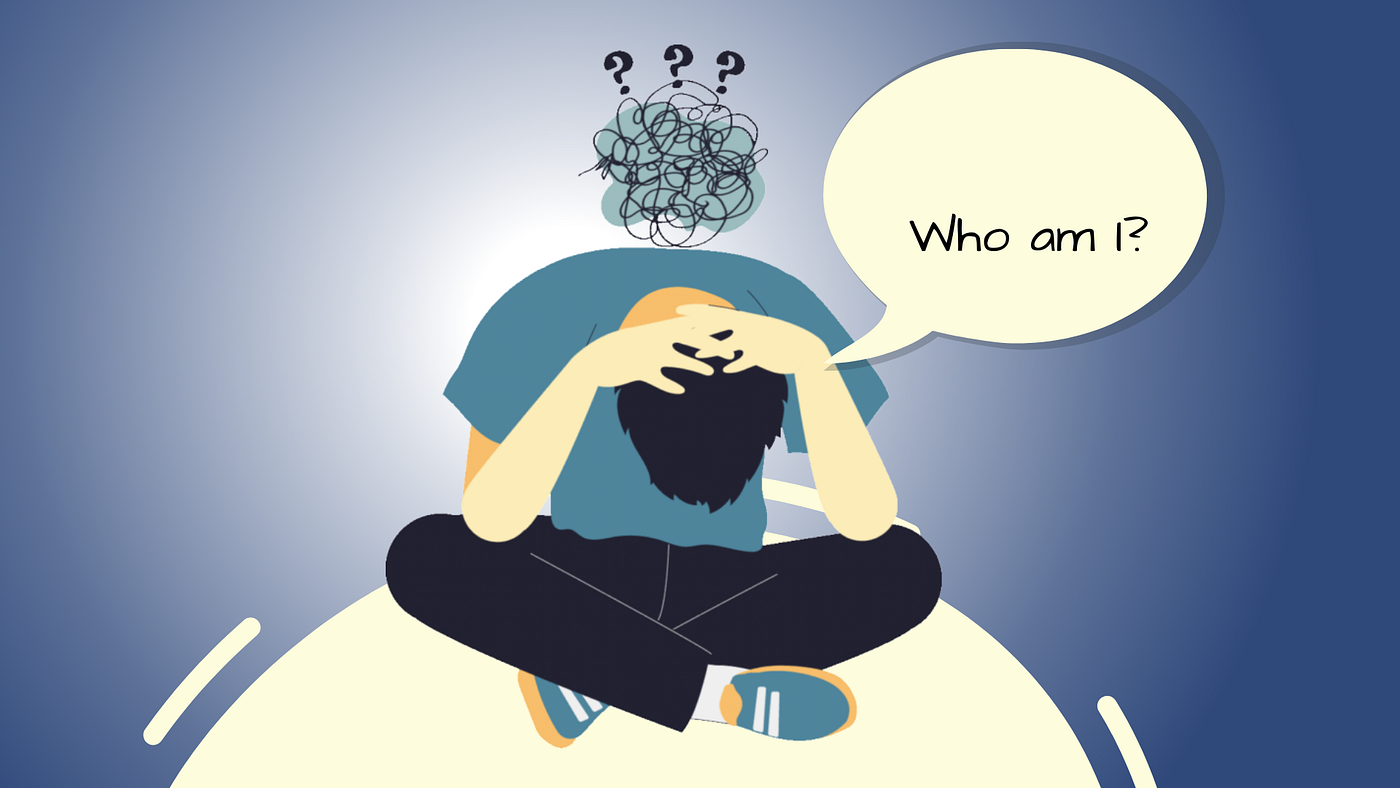
Handling the Loss of One’s Most Familiar Routines
It is one thing to talk about change, but it is another thing entirely to wake up and realize the life you knew has shifted beneath your feet. The very one that you built with specific movements, schedules, and expectations. It is no longer the same!
When a physical change like this occurs and prevents us from living our normal life, the first thing we lose isn’t just a schedule; it’s our sense of self. We feel lost because we have spent years associating our identity with what we do. But –
What Happens When You Can No Longer Do Those Things?
Some people react abruptly. Some pull back, while others try to quickly build new routines. In simple terms, the hardest part is not just the change itself, but learning to see yourself beyond the things you used to do. So today, let us talk about how to step out of an identity crisis.
Living Outside the Usual Patterns of Life
We are creatures of habit. We find comfort in the morning coffee, our specific commute, the gym at 5:00 PM, and the way we carryout the errands at home.
To our nervous system, all these aren’t just tasks. They are the context of our lives, and if for any reason they are ripped away, perhaps by injury, illness, or a sudden change in physical capability, we experience a Silent Crash.
This basically means, on the outside, a person might look like they are just resting or taking it easy, but on the inside, there is a frantic search for the self they once were. This is the beginning of the need for stillness. And yes, we don’t often choose stillness. It chooses us!
What The Silent Crash Feels Like to Be Honest
Initially, it feels like a prison. We fight it. We try to replicate our old routines within our new constraints. Though anything we meet is just frustration. So, the first step in building a new, meaningful life is acknowledging that the old one is gone.
We know saying this is easy and doing a lot more difficult, but you have to start at some point eventually. Why not today? And before you assume things on your own, know that grieving your routine is allowed. In fact, it is very necessary if you ask us.
Getting on Term with the Identity Crisis
For the longest time, many of you must have defined yourselves by your productivity. It would be such a loop that without this, you wouldn’t recognize yourself. This is where the identity crisis hits hardest. It is not like we don’t understand how a person has lived within a set of self-imposed and physical limits for so long, but there is something that you should know:
There is a World Outside of These Routine Circles!
You want it, or not; you have to learn to know yourself beyond those previous boundaries.
- If you were ‘the athlete,’ who are you now that you can’t run?
- If you were ‘the provider,’ who are you when you need help?
This is what the experts have named the faith’s strengths. It doesn’t always mean a specific religion. Sometimes it just means to have the conviction that your value is inherent, not earned.
It can also be the belief that there is a YOU that remains even when the DOINGS stop. This shift is the toughest transition you will ever make, but it is also where the deepest growth happens.
Is It Even Possible to Find Gains Out of Loss?
At first, it sounds almost insulting to tell someone who has lost their mobility or their routine that there are gains out of loss. When you are in the thick of it, it feels mostly negative. We get it, but you cannot deny the stubborn fact that loss clears the floor.

Here is the silver lining: It removes the clutter of busywork that we often use to avoid looking at our inner selves. Simply put, it is the vacuum left by your old routine, where you find room for –
- Self-Care and Self-Respect
Skip the spa-day kind of self-care, and think about the profound elements. Have you ever tried to listen to the subtle sound that your body makes? The one where it asks you to choose things that bring comfort, safety, and strength instead of harm. For once, instead of forcing on your body what you think it should be doing, try to let it do what it really needs.
2. A Deeper Breath
We spend so much of our lives rushing that our breathing becomes shallow and automatic. Majorly like just another thing we do on autopilot. But when everything stops, for whatever reason, stillness finally forces you to actually feel the air moving in and out of your lungs.
It is the same breath now that becomes your biggest support, and in those quiet moments, a person gets to focus on the real stuff. Breathing, all in all, is the simplest way to stay in the moment, especially when the past feels gone and the future feels a bit blurry.
Steps to Building a New, Meaningful Life
It is a frequently asked question: How do we actually start over? When a person struggling with an altered routine says this, it isn’t about finding a new version of the old routine. It is about building a different foundation entirely.
– Step #1 is to Reconnect with Nature
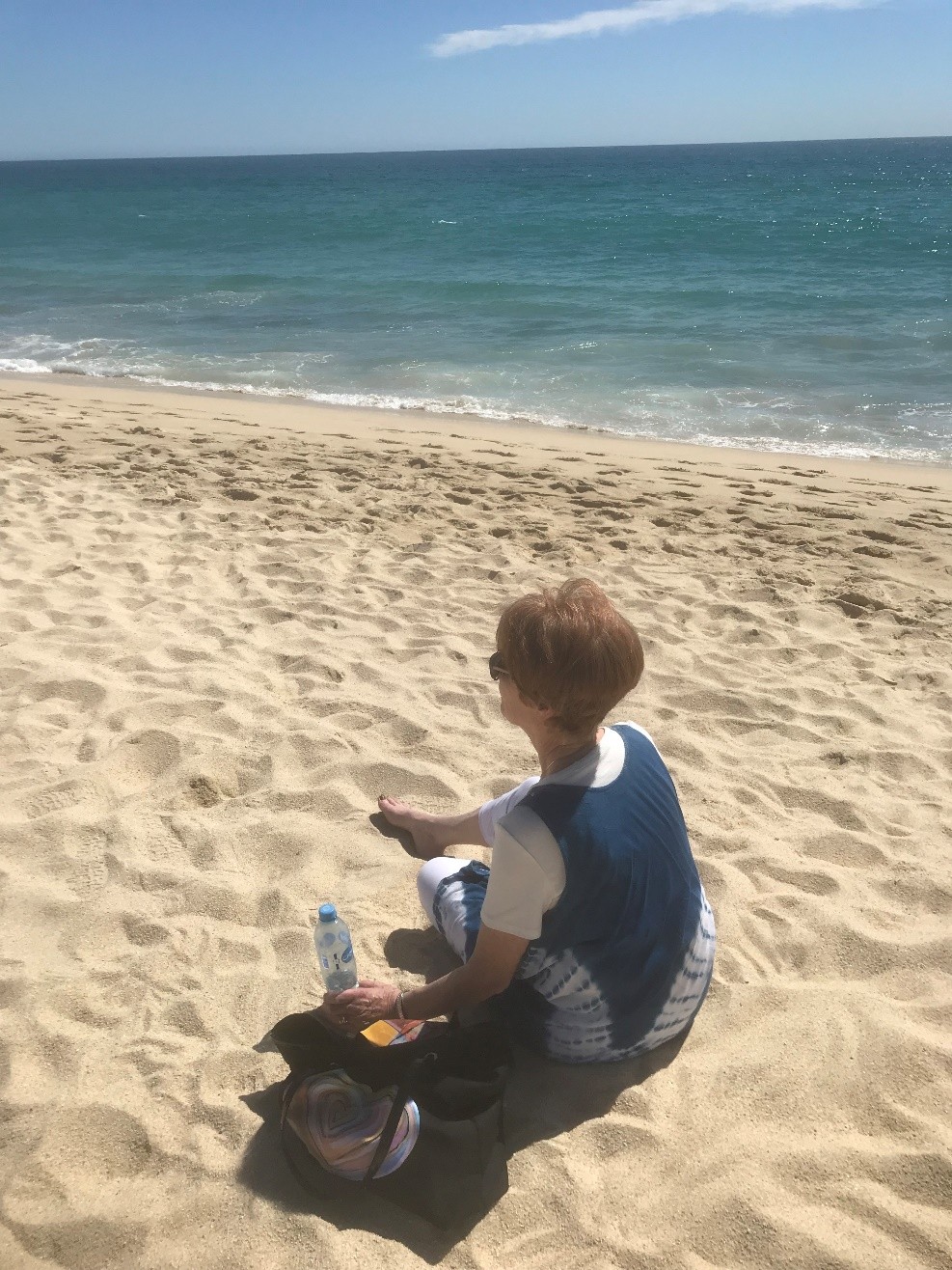
One of the most healing things you can do is spend time outdoors. The benefits of it are also backed by science, but more importantly, nature doesn’t judge you for your pace. A tree is just a tree. It won’t make you feel guilty for anything. Thus, sitting in nature helps you realize that you are part of a much larger, slower cycle of life.
– Step #2 is to Redefine Small Wins
If your old routine involved finishing ten tasks, your new routine might involve one. And that has to be enough. This is what self-respect is all about. It means you need to give yourself credit for the internal battles you win and the moments where you choose patience over frustration.
– Step #3 is to Listen to the Silence
Next, instead of filling the void left by your old routine with scrolling or noise, try sitting in silence. What do you hear when the world stops demanding things from you? In our experience, we know you will find interests, thoughts, or creative sparks that were drowned out for years.
The Final Words
Researchers have found that human beings often mistake limits for walls. They have rarely been interested in pushing the limits to see what is on the other side. So, through this blog, we urge you to think from a different perspective. Stop avoiding putting up a fight with the limits; maybe they are just the edges of a new path and not a dead end.
We know losing your most familiar routines is painful. We also know that it is a form of grief that you and loads of others are afraid of acknowledging. But, believe us, once you find the strength of faith, you begin to see that you are much more than just your routine.
Relax! Breathe! You are allowed to be slow. You are allowed to be still. And most importantly, you are allowed to be happy in a life that looks nothing like the one you had before.