 ccowannarratives@gmail.com

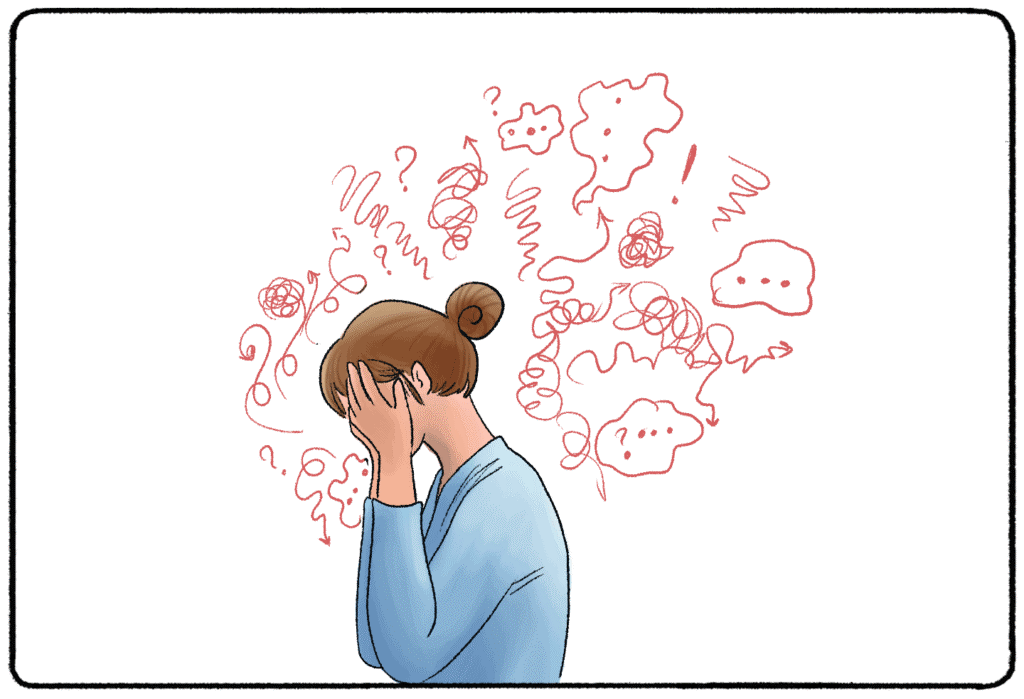
Can Silence Be a Gift Instead of a Burden?
Ever feel like your life is just a series of things you do?
You’re the person who talks.
The one who works.
The one who is always on the move.
But what happens when that’s suddenly taken away?
Think about Shania Twain, a Canadian country singer and songwriter. At the top of her game in 2004, a tick bite caused nerve damage that literally silenced her world-famous voice for years.

This is a scary reminder that a physical change doesn’t just mess up your schedule. It feels like it steals who you are. I, Corinne Cowan, lived with vocal cord paralysis for twenty years, and I know how this feels. This is the reason why I wrote about it in my memoir – Go Quietly Now.
My biggest takeout was that the silence was not a burden. Even though I learned it the hard way, I discovered that this could be a doorway to peace for many affected like me. So –
Here’s to Finding Out If Silence is a Burden or a Gift?
Not being able to speak is often misunderstood. For many, it feels like emptiness, a void that presses down when words fail or when circumstances force us into quiet. And those people are not wrong for thinking so. After all, we live in a world that appreciates expression, conversation, and constant communication. Therefore, to be silent here can naturally be odd for a human.
According to surveys, many of these victims even feel as if they are living some sort of punishment. However, there is more than what meets the eye.
When reframed, silence can become more than just the absence of something or a loss. It can be a gift. An opening into deeper listening, clearer thought, and a richer connection with the world around us. Take a moment and let that sink in.
Getting Into the Depth of It
Most of us have experienced silence as a problem. Perhaps it came in the form of an illness that robbed us of speech, or in a situation where words were not allowed. Little did we realize, quiet can feel like isolation, cutting us off from others.
Yes, the inability to use your voice for anything can stir frustration, because we are used to defining ourselves through language. Even the scholars claim that without words, human beings fear being misunderstood or invisible. But, wait.
Is the quiet only about what is missing? Or is it also about what is present?

This is not some random question. It needs your attention and a little bit of courage because the truth is not going to be sweet like honey. Being the victim of a speech-depriving illness myself, take it from me, the absence of words creates a safe space for anything to emerge.
Listening More Deeply Can Be the Silver Lining
Speaking from experience and also what scientists have found: When we stop speaking, our ears open. We also notice sounds that usually slip past us. Such as the –
- The rustle of leaves
- The rhythm of footsteps
- The hum of distant traffic
The point I am trying to make here is that silence sharpens our awareness. It teaches us to listen not just to words but to tones, pauses, and the unspoken emotions that fill the air, especially when you’re too busy blabbering.
Silence Lets You Observe the Raw Nature
How can not being able to speak be a curse when it genuinely reconnects us with the natural world? In those quiet moments outdoors, the stillness lets a person notice details they often overlook. The way sunlight shifts across branches, the subtle movements of animals, and even the slow dance of the waves. If you notice, nature speaks in its own language.
You just have to remain calm to listen to it. Hence, whether your silence is forced by an illness or by choice, remember that it is a rare doorway into this observation. It reminds us that the world is larger than our words. It invites us to see ourselves as part of a greater whole.
There’s Something Underneath the Frustration
The early days of vocal impairment leave you in search of coping mechanisms. You try to form words, and nothing happens. I lived that too, and trust me, it is going to leave you feeling set apart from mainstream society. Though once you move past the initial frustration of not being able to speak, you begin to see the need for stillness as a necessity for spiritual growth.
Reason number one: When you can’t speak, you are forced to become a master of listening. Most people listen just enough to formulate a response. You will be different as there is no thinking about the response. You just listen to the tone, the subtext, and the soul of the person speaking. This little superpower turns you from a participant into a powerful observer.
Reawakening of Your Own Thoughts
Whatever the reason is for your inability to speak, know that it will clear the floor of the busywork we usually use to distract ourselves. You no longer have the ability to jump into every conversation, so now you just develop a much clearer connection to your own thoughts.
This internal clarity is otherwise very difficult to achieve and leads to what I call faith’s strengths. It is the quiet affirmation that you are enough, even when you aren’t contributing to the noise. Slowly, with time, you begin to see your invisible disability not as a limit, but as a lens to see the world with more empathy. Isn’t it amazing?
Reframing Silence for People Like Me
For those who are thinking, how do we move beyond seeing silence as a burden? The first step is acceptance. Instead of resisting it, try to lean into it. Try to ask what it is offering you right now? Is it asking you to listen more closely? Or maybe to reflect deeply? Or perhaps to rest?
Conclusion: Silence as Gift
When your life is built on your voice, losing it feels like losing your place in the world. I managed to live with vocal cord paralysis for twenty years, and in those early days, the silence wasn’t peaceful at all. It was a jarring for my soul, and would often send me into a heart-pounding panic. But I did not give up! Even on the days when I felt like I had faded into a shadow.
All in all, for me, silence eventually went from being a burden to a gift. If you want to know about my journey, you should definitely read my memoir – Go Quietly Now. There is so much to learn from the life I lived.